Unpacking Intersections of Regional Banking Customs With Layered Protections That Shape Reward Access During Portable Reel and Card Sessions in Licensed Markets
Amir Lange · Aug 25, 2026
Unpacking Intersections of Regional Banking Customs With Layered Protections That Shape Reward Access During Portable Reel and Card Sessions in Licensed Markets
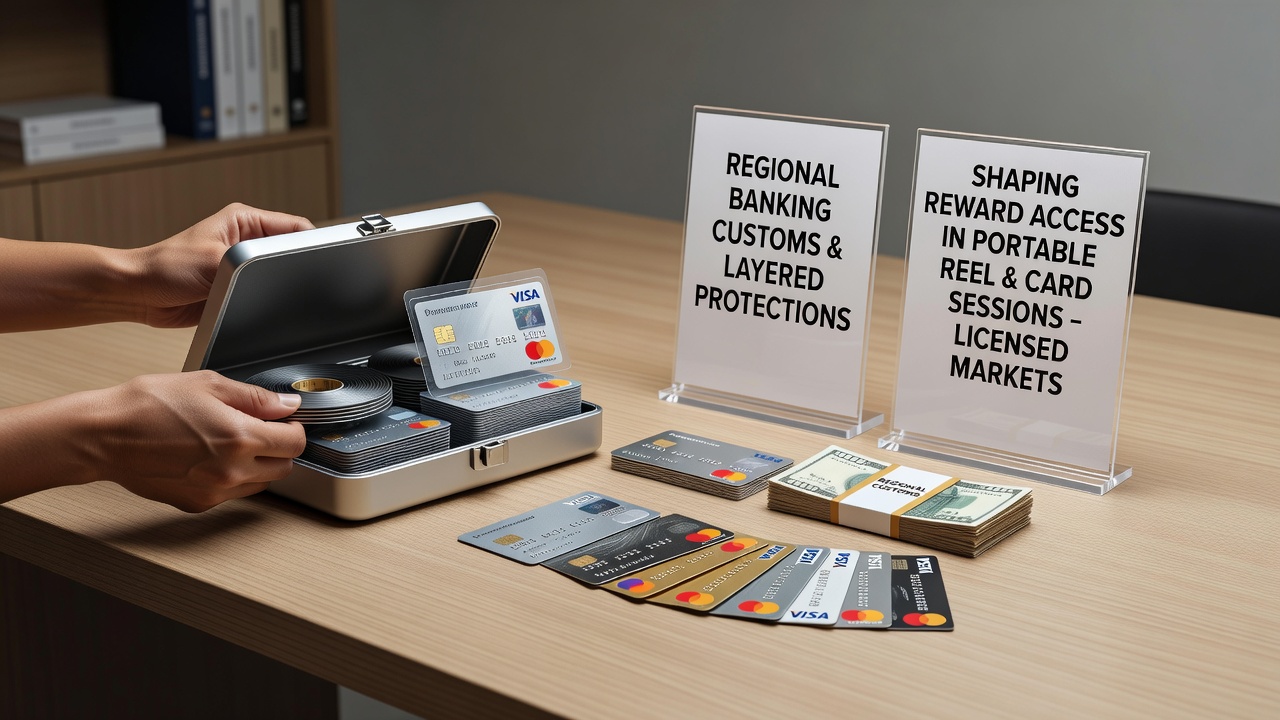
Regional banking customs vary widely across licensed gaming jurisdictions and they intersect with multiple protection layers that determine how players reach accumulated rewards during mobile slot spins and table game rounds. These customs include local preferences for payment rails, settlement times, and documentation requirements while the protections often combine identity verification, encryption standards, and biometric checks that operate in sequence before any bonus or jackpot release occurs.
Banking Practices Across Licensed Jurisdictions
Banking traditions in different markets shape the initial step of funding a mobile gaming account and they continue to influence withdrawal paths for rewards earned on reels or at card tables. In several European licensed environments, instant bank transfers remain common because domestic networks prioritize low-cost, same-day settlement while North American regulated states frequently route transactions through card networks or digital wallets that carry additional verification steps. Observers note that these differences create distinct timelines for reward access because a French player using a local bank rail may clear a biometric check faster than a counterpart in a market where cross-border settlement adds extra compliance stages.
Layered Security Measures in Mobile Environments
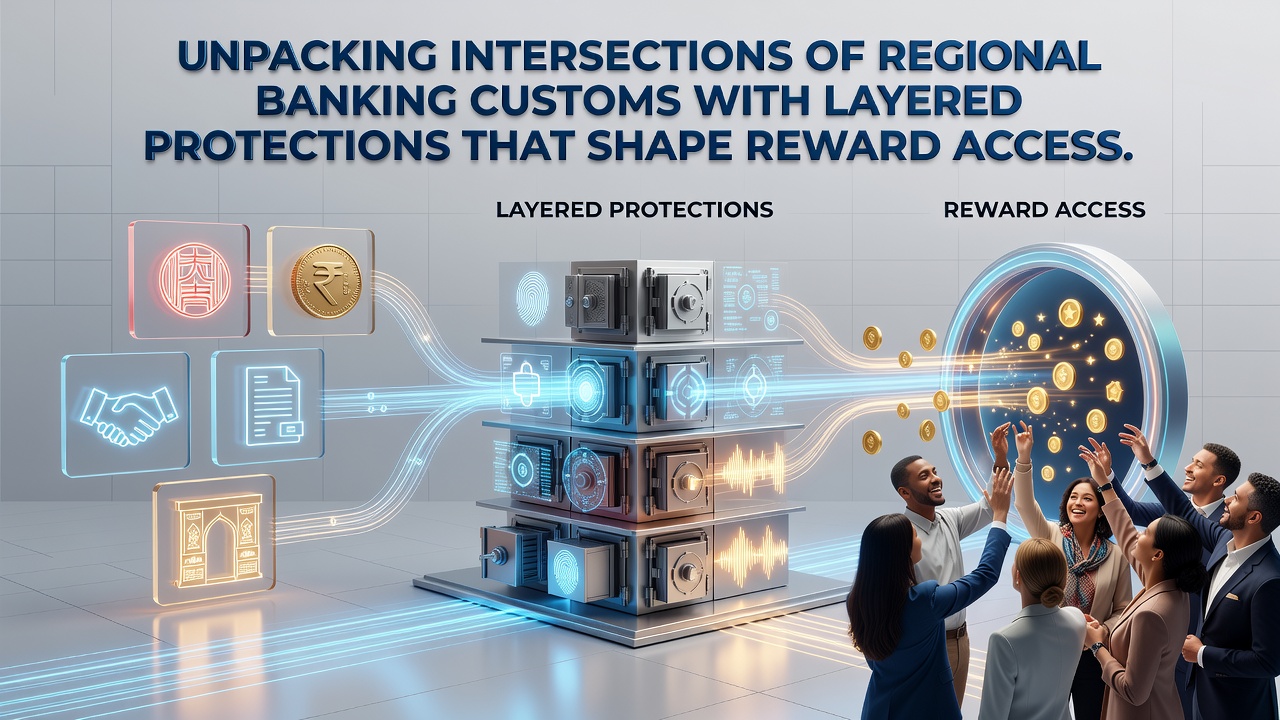
Layered protections typically begin with device-level authentication, move through account-linked biometric prompts, and finish with transaction-specific encryption before reward balances become spendable or withdrawable. Data from regulatory filings indicate that such sequences reduce unauthorized access incidents yet they also extend the interval between a winning reel combination and the moment funds appear in a player's available balance. In portable sessions, where players switch between Wi-Fi and cellular connections, the system may re-trigger one or more layers if the network signature changes, which further affects timing during live dealer card rounds.
Interactions That Determine Reward Timing
Regional banking customs and protection layers interact most visibly at the point of reward disbursement because many platforms tie bonus pool releases to both payment method approval and security status. When a player completes a portable reel session that triggers a progressive jackpot, the platform first confirms the banking rail used for the original deposit, then applies the next protection layer before crediting the amount. Studies of transaction logs show that markets favoring domestic instant transfers experience shorter overall delays compared with regions where international card networks require additional fraud screening even after biometric confirmation succeeds.
As of August 2026, several licensed operators reported incremental updates to their verification sequences that align more closely with local banking calendars, reducing friction for players who complete card sessions late in the evening when certain regional networks pause batch processing. These adjustments illustrate how operators adapt protection layers without altering the underlying banking customs that govern settlement windows.
Examples From Multiple Regulated Markets
One documented case involves a European jurisdiction where banking customs require two-factor confirmation for any transfer exceeding a set threshold and the gaming platform mirrors this rule by inserting an extra encryption handshake before releasing table game bonuses. Another example appears in a North American state where digital wallet usage predominates and the protection stack adds geolocation checks that activate only when the player attempts to move rewards outside the licensed area. Researchers tracking these patterns report that reward access windows shorten when banking customs and security layers share compatible authentication standards yet lengthen when the two systems operate on separate verification cycles.
Technical and Regulatory Alignment
Technical standards for encryption and biometric matching continue to evolve alongside regulatory expectations that reward access remain both secure and traceable. Industry reports compiled by research institutions highlight that platforms achieving faster alignment between regional banking rails and protection protocols record higher rates of completed mobile sessions without interruption at the reward stage. Regulatory bodies in multiple regions now publish periodic guidance that encourages operators to map their security sequences against local banking operating hours, which helps minimize situations where a player finishes a reel session only to encounter a temporary hold triggered by mismatched settlement schedules.
Conclusion
The intersections between regional banking customs and layered protections produce measurable effects on reward access during portable reel and card sessions across licensed markets. Data from transaction monitoring systems demonstrate that alignment between these elements reduces delays while misalignment extends them, and ongoing regulatory updates in 2026 continue to encourage tighter coordination between payment networks and security frameworks. Observers tracking these developments note that the resulting patterns shape player experiences in consistent, jurisdiction-specific ways without altering the core requirement that all reward movements remain documented and protected.