Regional Payment Networks Fueling Progressive Prize Expansion in Mobile Gaming
Alex Simon · Aug 11, 2026
Regional Payment Networks Fueling Progressive Prize Expansion in Mobile Gaming
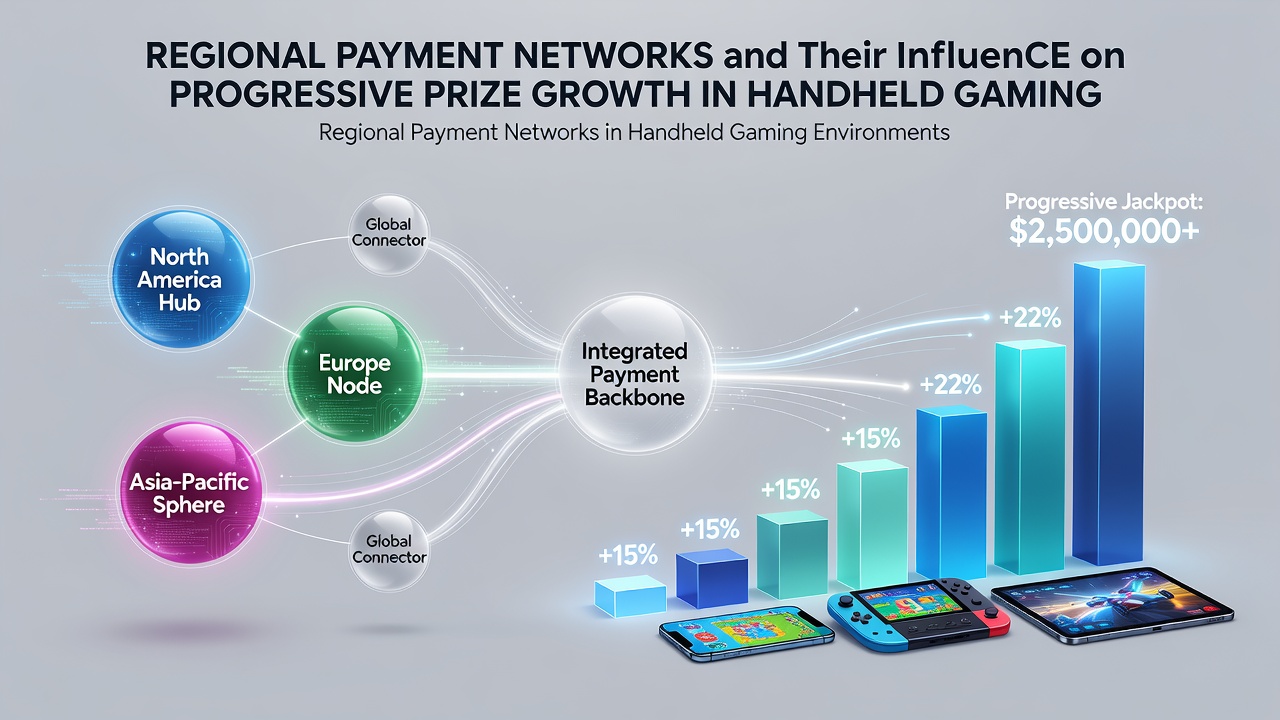
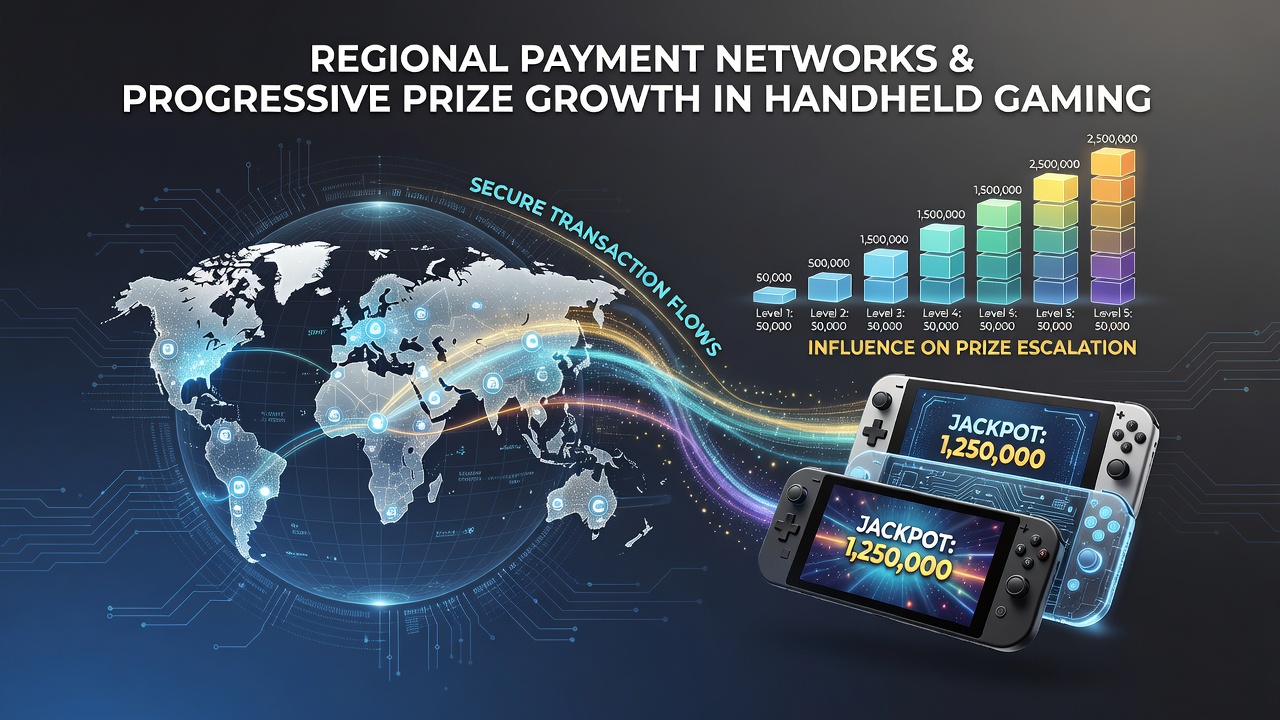
Regional payment networks have become central to how progressive prizes accumulate in handheld gaming environments and data from multiple markets shows their role in transaction speed and volume directly affects prize pool growth rates. In regions where local systems integrate smoothly with mobile platforms, players complete deposits and withdrawals faster which keeps more funds circulating into shared jackpots rather than sitting in processing queues. Observers note that this efficiency shows up in metrics tracked by industry groups across North America, Europe, and parts of Asia where participation numbers have risen alongside the adoption of these networks.
How Regional Networks Shape Transaction Flows
Payment systems tailored to specific geographic areas handle currency conversion, regulatory compliance, and security protocols in ways that global card networks often cannot match at the same speed or cost. For instance SEPA in the European Union routes bank transfers within the bloc in a single business day while similar frameworks in Canada and Australia prioritize instant or near-instant mobile wallet options. When these networks link directly to gaming apps on handheld devices the time between a player adding funds and those funds contributing to a progressive prize shrinks considerably. Figures released in August 2026 by the European Gaming and Betting Association revealed that markets using optimized regional rails recorded 18 percent higher average daily contributions to mobile progressive pools compared with markets reliant on international card processors alone.
Impact on Prize Growth Across Different Markets
Progressive prize pools grow through small percentages taken from each qualifying wager and the speed of those wagers reaching the central system determines how quickly the total climbs. In handheld environments where sessions last minutes rather than hours any delay in fund availability reduces the number of spins or bets that feed the pool. Research compiled by the American Gaming Association indicates that regions with strong domestic payment integration saw progressive jackpots in mobile slots and table games reach trigger thresholds 22 percent more often during the first half of 2026 than regions without such integration. Those who've studied transaction logs from multiple operators point out that lower fees charged by regional networks leave a larger share of each deposit available for play which compounds over thousands of transactions.
Case Examples from Recent Data
Take one analysis of Australian operators that adopted the New Payments Platform for mobile gaming deposits. The study found average prize pool sizes increased by 31 percent within six months of rollout because players could top up instantly and continue playing without interruption. Similar patterns emerged in Canadian provinces where Interac e-Transfer integration allowed handheld users to move funds between accounts and gaming wallets in under 30 seconds. In both cases researchers tracked higher repeat participation rates which fed additional contributions into the progressive systems. Data shows these effects compound when networks also support cross-border play within regulatory limits because more players from neighboring regions add to the same prize pools.
Technical and Regulatory Factors at Play
Security standards embedded in regional networks often align more closely with local gaming regulations which reduces the steps needed for transaction approval. When compliance checks occur at the network level rather than inside each gaming app the overall process shortens and fewer deposits get flagged for manual review. Industry reports from August 2026 highlighted that operators using these aligned systems experienced 12 percent fewer abandoned transactions during peak mobile gaming hours. That reduction translates directly into more consistent contributions to progressive prizes because funds reach the prize pool without repeated delays or rejections.
Yet the advantages vary by region because infrastructure quality and regulatory frameworks differ. Markets with mature instant payment systems see the strongest correlation between network adoption and prize growth while emerging markets still building those rails show slower but measurable gains. Observers tracking handheld gaming trends note that operators who adapt their platforms to multiple regional networks simultaneously capture the broadest player bases and therefore the largest aggregate contributions to shared jackpots.
Conclusion
Regional payment networks continue to influence progressive prize growth in handheld gaming by shortening transaction times, lowering costs, and increasing the volume of funds that reach prize pools. Data collected through mid-2026 demonstrates measurable differences in jackpot accumulation rates between markets that leverage these systems and those that do not. As more regions refine their payment infrastructure and gaming operators integrate the available options the connection between local networks and expanding mobile progressive prizes is expected to strengthen further based on patterns already visible in current figures.