Examining Biometric Integration in Mobile Payment Flows for Live Table Game Access and Prize Pools
Amir Lange · Aug 18, 2026
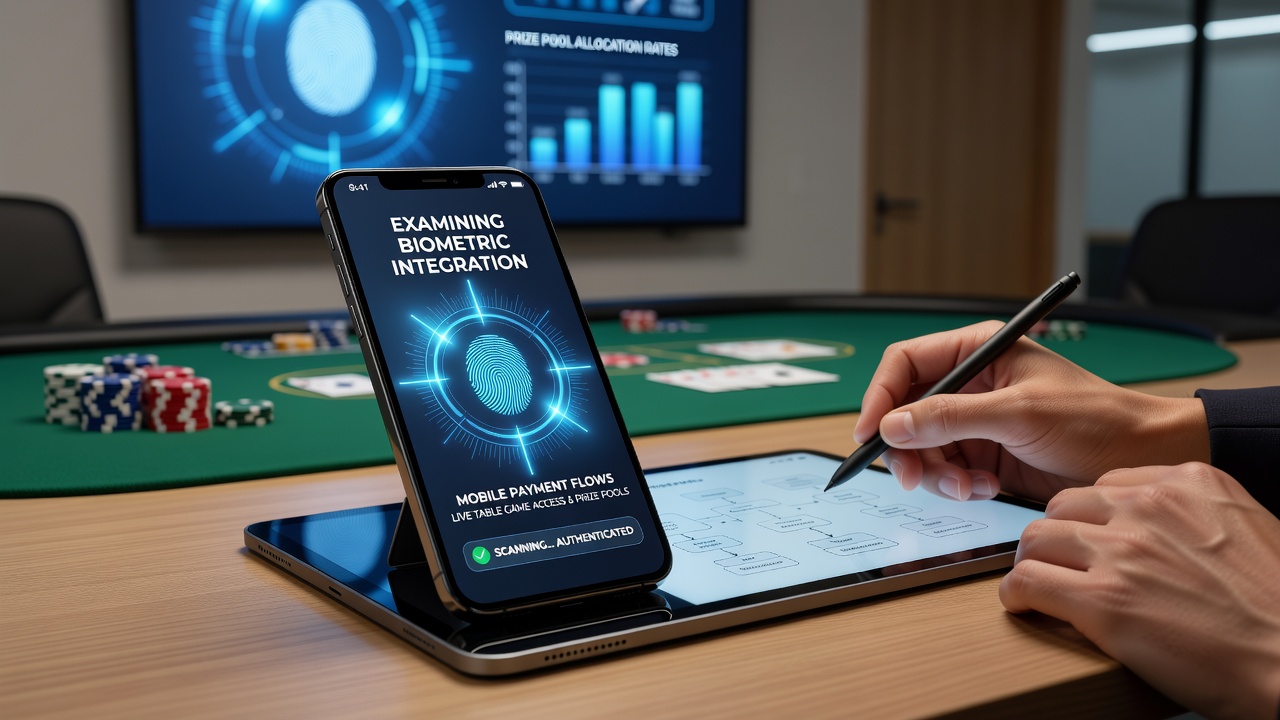
Examining Biometric Integration in Mobile Payment Flows for Live Table Game Access and Prize Pools
Biometric integration into mobile payment systems has expanded steadily across gaming platforms that offer live table games and connected prize pools, with fingerprint, facial recognition and vein-pattern scanners now handling authentication steps that once relied on passwords or PIN codes. Data from multiple operators shows these methods reduce transaction times while maintaining compliance with identity verification rules that govern access to real-money tables and accumulating jackpot pools.
Core Components of Biometric Payment Flows
Modern mobile applications combine device-level sensors with encrypted backend servers to confirm user identity before releasing funds into live dealer sessions or prize pool entries. Researchers at several academic institutions have documented how multi-factor biometric checks link directly to payment rails, allowing seamless movement between account balances and table buy-ins without interrupting game flow. One study released in early 2026 tracked transaction success rates above 98 percent when facial recognition paired with device-specific cryptographic keys replaced traditional logins.
Payment processors integrate these checks at the point of deposit and withdrawal, which matters because live table games often require rapid re-entry after brief pauses. Operators report that vein-pattern readers, available on select premium handsets, add another verification layer that resists common spoofing attempts more effectively than single-modality systems.
Application to Live Dealer Table Access
Live table game platforms use biometric gates to grant entry to virtual tables where real-time video streams connect players with dealers. Once a player passes the initial scan, the system authorizes the transfer of funds into the table's betting interface while simultaneously logging eligibility for any attached prize pools. Figures from North American operators indicate that average session-start durations dropped by nearly 40 percent after biometric prompts replaced manual password entry during peak evening hours in August 2026.
Canadian provincial regulators, including those overseeing Ontario's regulated market, have issued guidance that encourages operators to maintain biometric audit trails for every table access event. These records support responsible gaming limits by tying each verified session to an individual's deposit history and prize pool participation.
Connections to Prize Pool Mechanics
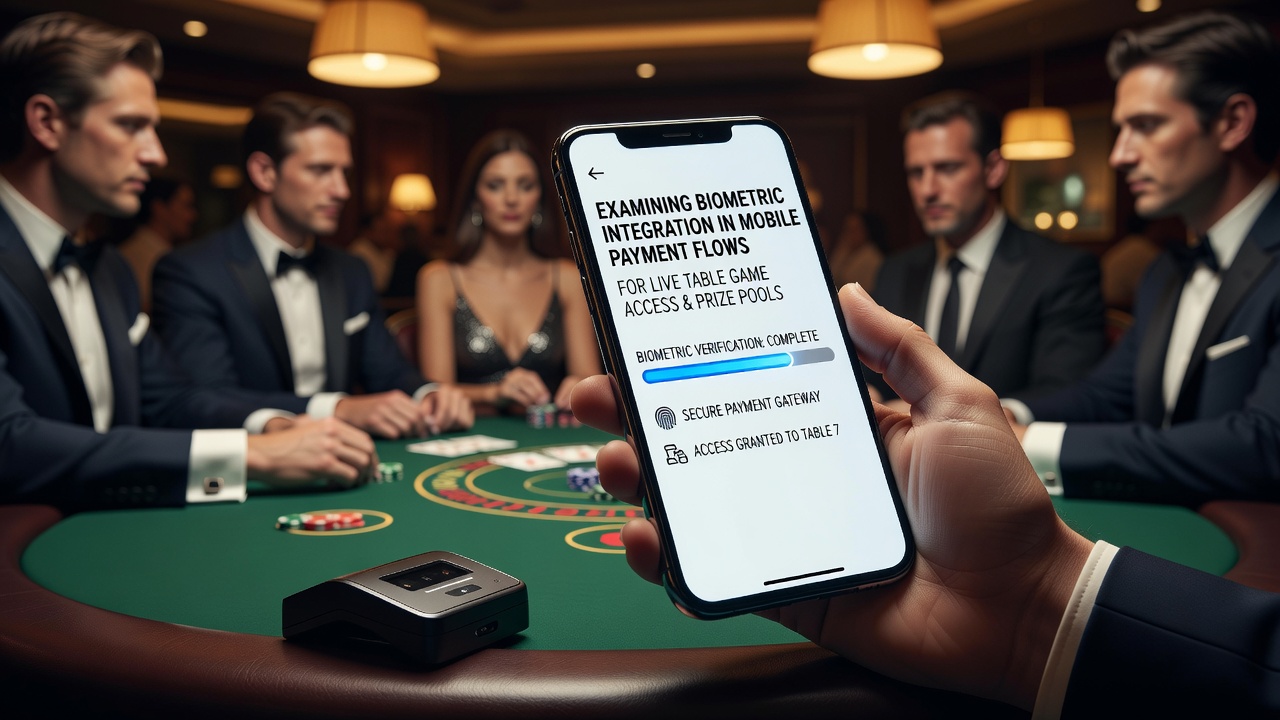
Prize pools linked to live table games accumulate through player contributions verified at the moment of each bet. Biometric confirmation ensures that only authorized accounts feed into progressive or fixed pools, which reduces disputes over eligibility. Industry reports compiled by the European Gaming and Betting Association note that platforms employing continuous biometric re-authentication during extended sessions experienced fewer instances of disputed pool allocations compared with systems that relied solely on session cookies.
August 2026 saw several major operators update their mobile applications to require a secondary biometric check before any prize pool payout exceeding a set threshold. This adjustment aligned with updated technical standards published by Australia's National Broadband Network gaming working group, which emphasized real-time identity assurance for cross-border prize distributions.
Security and Compliance Considerations
Encryption protocols wrap biometric templates before they leave the device, and servers store only mathematical representations rather than raw images. Observers from research organizations such as the University of Nevada's gaming laboratory have examined how these templates integrate with existing anti-money-laundering monitoring systems. Their findings indicate that biometric-linked transactions generate clearer audit trails, which assists regulatory bodies in reviewing large prize pool disbursements.
Operators must still accommodate users who opt out of biometric features. In those cases, fallback procedures typically combine one-time passcodes with knowledge-based authentication, though data shows these pathways extend transaction times and occasionally reduce participation rates in time-sensitive live table events.
Regional Developments and Data Trends
European markets continue to test unified biometric standards that could allow a single verified profile to function across multiple licensed platforms while preserving each jurisdiction's prize pool rules. Meanwhile, several U.S. states have incorporated biometric verification language into their mobile gaming regulations, with implementation timelines extending through late 2026. Statistics released by the Pennsylvania Gaming Control Board show that platforms adopting mandatory biometric checks for table game deposits recorded a measurable decline in chargeback rates during the first half of the year.
Those who've monitored these rollouts note that adoption rates vary by device type and player demographic, with newer handsets supporting advanced sensors showing faster uptake. Ongoing pilot programs in additional regions continue to gather performance metrics that will shape future technical requirements.
Conclusion
Biometric integration within mobile payment flows now forms a central element of access control for live table games and their associated prize pools. Evidence gathered through operator reports, regulatory filings and academic studies demonstrates measurable improvements in transaction speed and identity assurance. As hardware capabilities advance and standards bodies refine guidelines, the technical infrastructure supporting these flows continues to evolve in line with broader payment security practices.