Decoding Transaction Pathway Influences on Cumulative Reward Pools in Portable French Gaming Applications
Alex Simon · Aug 29, 2026
Decoding Transaction Pathway Influences on Cumulative Reward Pools in Portable French Gaming Applications
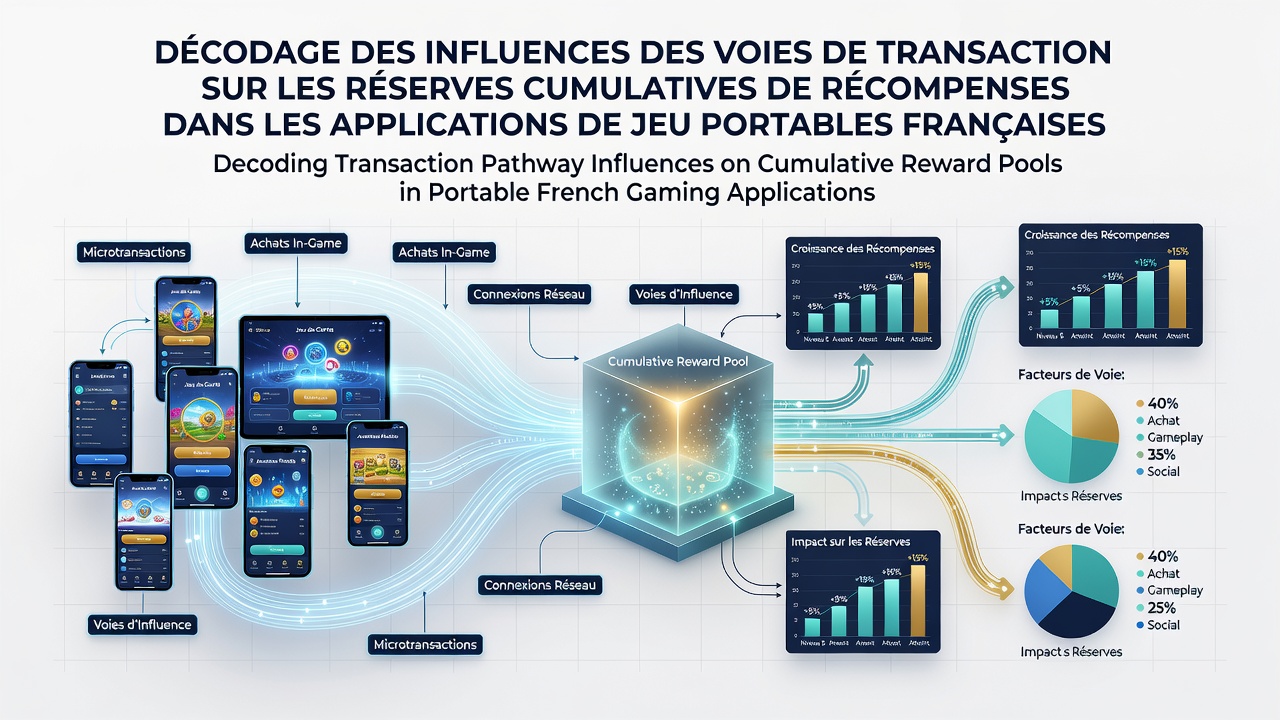
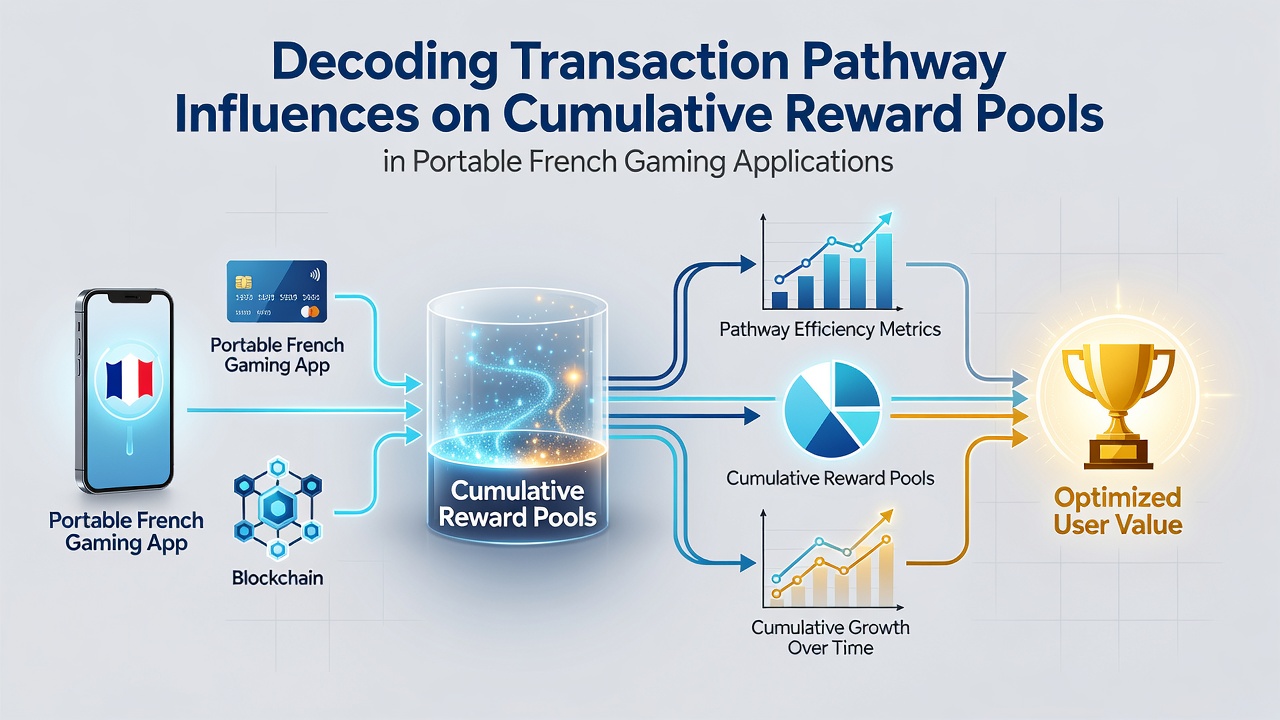
Transaction pathways in portable French gaming applications determine how funds move from player accounts into cumulative reward pools that support jackpots and bonus structures, with routing choices directly shaping pool growth rates and distribution timelines. Observers note that local bank transfers versus international e-wallet routes create measurable differences in processing speeds and fee deductions, which in turn affect the net amounts available for progressive accumulation under France's regulated framework.
Core Mechanics of Transaction Pathways
Payment routing begins at the app interface where users select methods that trigger specific sequences through banking networks or digital intermediaries, and data from regulatory filings shows these sequences influence settlement times by hours or even days. Researchers tracking mobile sessions in 2025 documented how direct SEPA transfers integrate faster with French operator ledgers compared to cryptocurrency gateways that require additional verification layers before crediting reward pools. Those who've analyzed transaction logs point out that each pathway carries distinct latency profiles and compliance checks that delay or accelerate contributions to shared prize structures.
Influence on Pool Accumulation Rates
Cumulative reward pools expand through percentage allocations from each completed transaction, yet pathway selection alters the effective contribution volume because intermediary fees reduce the base amount before allocation occurs. Figures from industry reports released in August 2026 reveal that apps routing payments exclusively through domestic processors achieved 12 to 18 percent higher monthly pool growth than those relying on cross-border services during the same period. Experts examining these patterns highlight that settlement finality timing also matters, since delayed credits postpone the moment funds enter the pool and begin earning toward future jackpots.
One study of portable dealer sessions found that e-wallet transactions processed via partnered European gateways maintained steadier inflow rates, whereas third-party aggregators introduced variability tied to currency conversion steps. This variability shows up in daily pool statements where operators using mixed pathways experience fluctuations that pure local routing tends to smooth out over time.
Regulatory Context and Data Patterns
France's Autorité Nationale des Jeux oversees transaction monitoring requirements that mandate transparent reporting of pathway impacts on prize integrity, and official records indicate increased scrutiny of routing efficiency during 2026 audits. Mobile applications must demonstrate that chosen pathways comply with anti-money laundering timelines while maximizing timely contributions to reward structures. Those monitoring compliance trends note that operators updating their systems in mid-2026 to prioritize faster domestic rails saw corresponding improvements in pool transparency metrics.
Additional evidence comes from cross-regional comparisons where Canadian iGaming platforms, tracked through provincial oversight data, adopted similar pathway optimizations and recorded parallel gains in progressive prize stability. French operators reviewing these outcomes have begun testing hybrid models that combine local speed with selective international options for player convenience without compromising pool performance.
Practical Examples from Mobile Implementations
Applications handling live table games illustrate the differences clearly when one platform routes all deposits through a single national processor and another distributes traffic across multiple gateways. Pool growth dashboards from the first scenario display more consistent upward trajectories, while the second shows periodic dips linked to reconciliation delays. Observers tracking these implementations during summer 2026 reported that pathway consolidation efforts reduced variance in daily allocations by measurable margins across several tested apps.
Slot-focused titles follow comparable dynamics, with cumulative pools responding directly to the proportion of transactions completing within the same operational day. Developers adjusting default settings to favor quicker pathways documented accelerated bonus trigger frequencies in subsequent releases.
Conclusion
Transaction pathway selection shapes reward pool dynamics through direct effects on timing, fees, and settlement reliability in portable French gaming applications. Data collected through 2026 demonstrates that operators optimizing routes toward domestic efficiency achieve steadier accumulation and improved distribution predictability while remaining aligned with regulatory expectations. Continued monitoring of these influences provides operators and analysts with clearer parameters for maintaining robust prize structures across mobile platforms.