28 Jul 2026
Biometric Checks Reshaping Access to Accumulated Rewards in Portable Dealer Sessions and Reel Spins
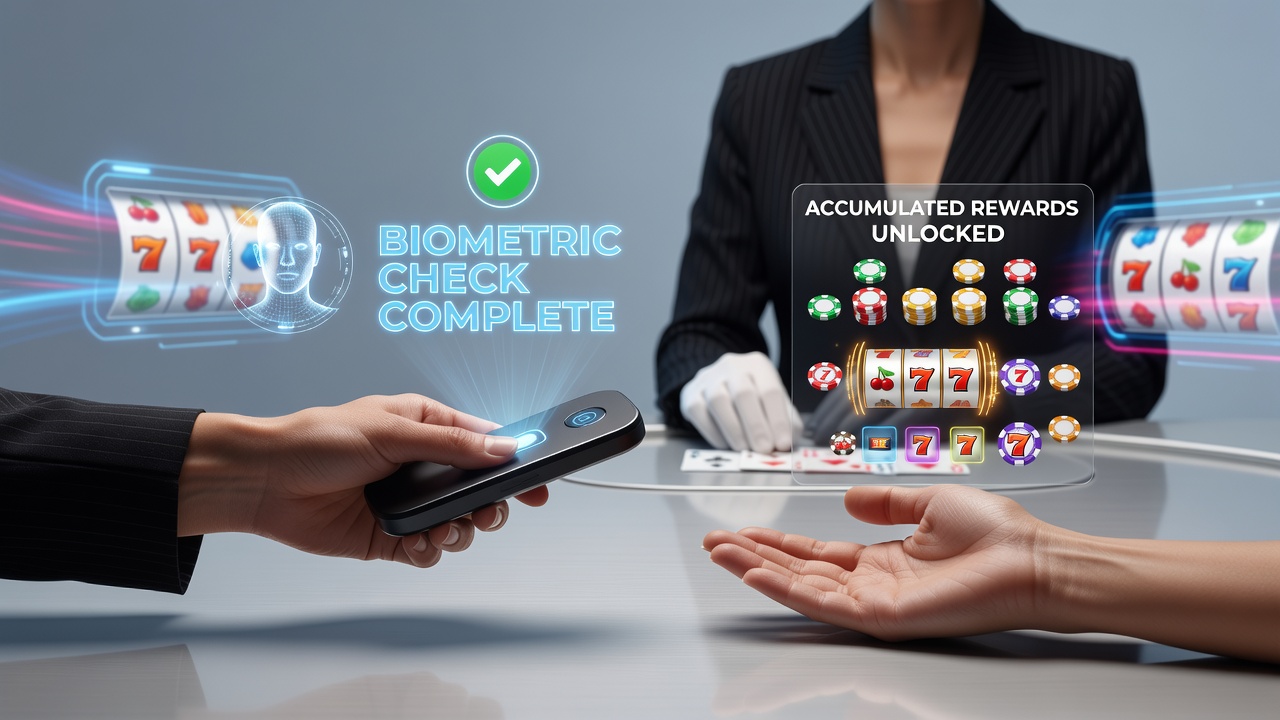
Biometric verification systems now integrate directly into mobile gaming platforms, allowing players to confirm identity through fingerprints or facial scans before unlocking loyalty rewards earned during live dealer sessions or slot machine spins. These checks connect to player accounts that track accumulated points from portable dealer interactions, where tables stream in real time, and from reel spins that accumulate bonuses based on wager volume and frequency. Data from regulatory filings shows adoption rates climbing as operators link biometric matches to reward redemption protocols in apps across multiple jurisdictions.
Integration of Verification Technology in Mobile Gaming Environments
Operators deploy facial recognition and fingerprint sensors at key points in the session flow, such as when a player attempts to convert points into credits or access tiered bonuses after extended play in dealer-hosted games. The process scans biometric data against stored profiles, then grants entry to the rewards ledger without requiring separate passwords or account numbers. Research from industry reports indicates that these systems reduce unauthorized access attempts by matching unique physiological traits to account histories that include both live table participation and automated reel sequences.
Portable dealer sessions rely on continuous streams where players place bets via touch interfaces, and biometric gates appear at reward claim stages to verify the account holder remains the same individual throughout the connection. Reel spin activities, meanwhile, log spins in batches, and accumulated multipliers or free rounds trigger biometric prompts before release. Figures from the Nevada Gaming Control Board reveal that platforms incorporating these checks processed higher volumes of verified reward transactions in recent periods compared to password-only methods.
Regulatory Developments and Implementation Timelines
Authorities in several regions updated player protection standards to require multi-factor identity confirmation for reward systems, with specific provisions for mobile environments. These rules emphasize secure data handling during biometric capture and storage, ensuring that points earned from dealer sessions or reel activity stay tied exclusively to the registered user. Implementation schedules point toward expanded requirements taking effect around July 2026 in select markets, where operators must demonstrate compliance through audited verification logs.
Industry organizations such as the Nevada Gaming Control Board have outlined technical specifications for integrating biometrics with existing loyalty platforms. Similar guidance appears in reports from Canadian provincial regulators, which track how these tools affect redemption rates in both live and automated game categories. The changes create standardized pathways that link session data directly to reward access, minimizing discrepancies between earned points and claimed benefits.

Data Patterns and Operational Outcomes
Analytics platforms record that biometric-enabled accounts show steadier reward accumulation patterns, because verification occurs at multiple touchpoints rather than only at login. Players engaging in portable dealer sessions maintain longer average connection times when reward access flows smoothly after each biometric confirmation. Reel spin tracking similarly benefits, as systems flag and secure high-value bonus clusters until identity matches complete. Studies from academic sources on gaming technology adoption note measurable drops in account disputes following rollout of these verification layers.
Operators report that the technology aligns with broader efforts to meet anti-money laundering directives while streamlining player experiences across devices. Points generated from combined dealer and spin activity feed into unified ledgers, and biometric gates serve as the release mechanism. Evidence from trade association summaries highlights consistent growth in verified mobile transactions, particularly in regions where July 2026 deadlines approach for enhanced compliance frameworks.
Future Adjustments in Verification Protocols
Updates to biometric algorithms continue as hardware improves, allowing faster scans during active play without interrupting dealer interactions or spin sequences. Regulatory bodies monitor error rates and false rejection incidents to refine thresholds that balance security with accessibility for reward systems. Projections based on current deployment data suggest wider standardization by mid-2026, covering additional game formats and cross-border account linkages.
Those monitoring the sector observe that integration extends beyond initial access to include periodic re-verification during extended sessions. This approach keeps accumulated rewards protected while supporting the volume of portable dealer and reel-based activity. Reports from international gaming research groups document how such protocols influence overall platform retention metrics across different regulatory zones.
Conclusion
Biometric checks now form a core component of reward management in mobile casino applications, directly influencing how players retrieve benefits from dealer sessions and reel spins. Regulatory timelines, including measures scheduled for July 2026, continue to shape the technical requirements operators must follow. Available data from oversight agencies and industry analyses confirm that these systems tie identity verification to point ledgers, producing measurable shifts in transaction security and account handling practices.